
Commercial Carpet Cleaning Chemicals Supplier
A carpet-cleaning order should match both the textile and the cleaning process. CLEVO brings together dry-foam carpet shampoo, upholstery and fabric cleaner, carpet cleaning powder and a separate defoamer. Compare their roles before choosing the products for your cleaning team, service business or distributor range.
Choose around the textile and cleaning method
Compare product roles before selecting the chemical for the machine and fabric.
Match the method to the machine
Dry-foam shampoo, a powder-format cleaner and a fabric cleaner are different purchasing choices. Start with the equipment and intended process, such as shampoo cleaning or upholstery treatment. Share the machine reference and textile type so the product can be reviewed for the way your team actually works.
Consider the fibre and construction
The visible face fibre is only part of a carpet or upholstered item. Backing, dyes, filling, adhesives and decorative trim may affect how it can be cleaned. Keep the care instructions with your selection and use a representative trial area to check appearance and colour stability before wider application.
Keep foam control separate
The defoamer has a foam-management role; it is not a second carpet shampoo. Identify where excess foam occurs and how the machine collects or handles solution. This helps define whether a separate foam-control product is needed and where its application should be reviewed.
Compare the options on your shortlist
Choose two to four of the 4 product entries or families. Compare matching fields, then open a product for its full product information.
Choose a starting group
Select 2–4 products. Open a product name in the table to view its full specifications.
| Specification |
Dry Foam Carpet Shampoo
|
 Upholstery and Fabric Cleaner |
|---|---|---|
| Product specification | ||
| Product role | Carpet shampoo cleaning | Upholstery and textile cleaning |
| Product form | Liquid shampoo | Liquid |
View Complete Product Information
Choose a product family or search by name. Compare the intended task, product format and packaging, then request pricing for the products you need.
No matching models. Try another name.
Dry Foam Carpet Shampoo
Dry Foam Carpet Shampoo
Dry Foam Carpet Shampoo
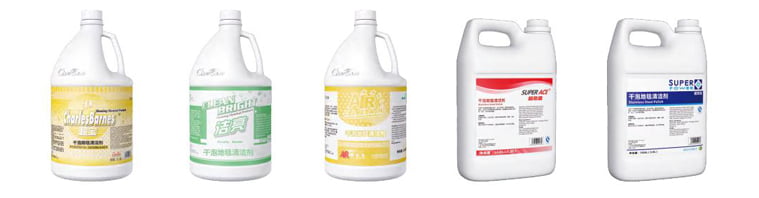
A dry-foam carpet shampoo for buyers planning a shampoo-based process. Match it to the cleaning equipment and carpet construction, with a trial area before extending the process.
Product information
| Product role | Carpet shampoo cleaning |
|---|---|
| Product form | Liquid shampoo |
| Packaging | Handled bottle / container selection |
Upholstery and Fabric Cleaner
Upholstery and Fabric Cleaner
Upholstery and Fabric Cleaner
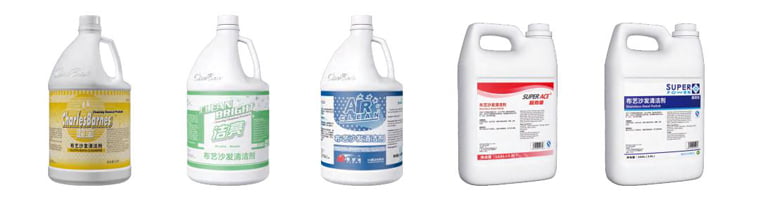
A fabric-cleaning option for seating and other upholstered items. The fibre, colourfastness and furniture care instructions are part of choosing the right cleaning process.
Product information
| Product role | Upholstery and textile cleaning |
|---|---|
| Product form | Liquid |
| Packaging | Handled bottle / container selection |
Carpet Cleaning Powder
Carpet Cleaning Powder
Carpet Cleaning Powder
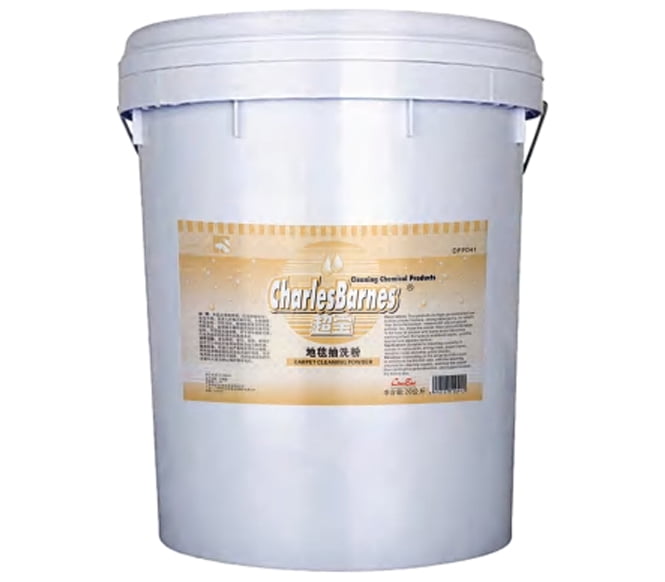
A powder-format carpet cleaner supplied in a lidded pail. Select it by the intended cleaning process; the powder format alone does not establish a water-free or vacuum-only method.
Product information
| Product role | Carpet cleaning |
|---|---|
| Product form | Powder |
| Packaging | Pail |
Defoamer
Defoamer
Defoamer
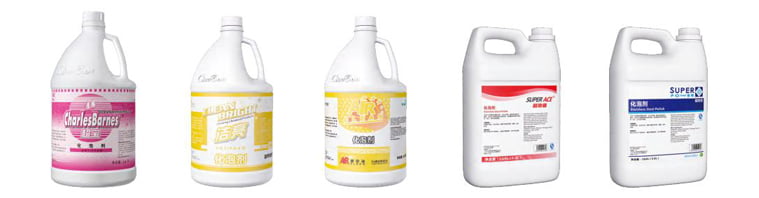
A separate foam-control product for cleaning operations. State the machine and the stage where foam is causing difficulty so its suitability and point of application can be reviewed.
Product information
| Product role | Foam control during cleaning |
|---|---|
| Product form | Liquid |
| Packaging | Handled bottle / container selection |
Compare the format, process and replenishment needs
These differences affect how the product fits the work, not just how it is packed.
Shampoo and powder formats
The range includes a liquid dry-foam shampoo and a pail-packed carpet-cleaning powder. Format affects measuring, storage and preparation, but it does not by itself tell you the dilution or application method. Compare the complete product instructions and equipment requirements alongside the purchase price.
Carpet and upholstery are separate tasks
A corridor carpet and an upholstered chair may need different processes even when both have synthetic fibres. The fabric-cleaner option gives upholstery requirements their own product reference. Include the furniture care code, fabric construction and any stain information when building the shortlist.
Packaging for the route
Handled bottles and a lidded powder pail offer different storage and dispensing arrangements. Choose pack quantities around the team’s consumption and the space available in the chemical store. Keep product names readable during replenishment; similar containers or label colours do not establish equivalent contents.
Need help choosing the product mix?
Share the carpet or upholstery fibre, cleaning machine and planned method and the products on your shortlist.
Plan cleaning, recovery and drying together
Use the selected textile and equipment instructions to organise the job.
Inspect and prepare the area
Identify the fibre, care instructions and stains, then prepare the work area for the chosen process. Remove loose soil using the appropriate equipment before wet or shampoo treatment where the selected procedure requires it.
Follow the product and equipment instructions
Use the dilution, application and recovery method specified for the exact product. Do not assume a powder is sprinkled dry or that a shampoo is suitable for every extractor. Review foam-control instructions separately from the detergent procedure.
Plan drying and return to service
Allow the textile to dry as required by the chosen process and site conditions before normal use resumes. Check the result for colour change, residue and remaining marks; record the product and method for the next scheduled clean.
Planning the cleaning process?
Tell us how the product will be used and which equipment is involved.
Store and identify products consistently
Keep the supplied identity, package condition and handling instructions with each chemical throughout its use.
Protect identity and package condition
Keep chemical containers closed and labelled. Prevent contamination of powders and liquid products during measuring and dispensing, following their storage instructions. Use dedicated, suitable tools rather than sharing an unlabelled bottle or scoop between products.
Clean equipment for the next job
Maintain the tanks, hoses and application tools according to the machine instructions after the task. Residual cleaning product can affect the next process. Keep the selected chemical and any defoamer clearly identified with the equipment record.
Reviewing storage and handling?
Identify the selected product and the documents needed for your site.
Plan the equipment and supporting supplies
Chemicals, application equipment and working containers should have clear roles in the order.
Application equipment
List the carpet machine, upholstery tool or other application equipment separately. Provide the exact equipment reference when discussing a chemical so its method can be reviewed; visual similarity between machines does not establish chemical compatibility.
Measuring and dispensing items
Choose measuring equipment for the selected formulation and pack opening. Keep the identification on any working container and specify replacement caps or dispensing items against the actual supplied pack.
Access control and drying arrangements
Warning signs and site access arrangements can be planned with the job. Drying requirements depend on the textile, moisture introduced and conditions at the site; no single turnaround time applies to all carpet-cleaning tasks.
Need the related supplies?
List the dispensing and application items alongside the chemical requirement.
Prepare an itemised purchase request
A complete specification makes the quotation and repeat order easier to identify.
Name the products and pack sizes
List each selected product by its full name, with the required pack size and quantity. Where a photograph shows a packaging range, identify the desired version in the enquiry. A separate line for each item makes the quotation and later replenishment easier to check.
Plan stock around consumption
You can share the number of sites, approximate monthly consumption and available storage space. These details help compare pack choices and delivery quantities. Assess cost per intended task after the actual product, dosage and method are agreed, rather than comparing the container price alone.
Agree the supply specification
Include the destination, required label language and preferred delivery date. Pack quantity, carton details, minimum order quantity, freight terms and lead time belong in the quotation. The product label and applicable safety documentation should match the exact supplied formulation and market.
OEM and ODM for your range
We offer OEM and ODM support for carpet-cleaning chemicals projects. Share the intended application, product brief, brand artwork, pack preference and destination market. We can review formulation objectives and packaging together; samples, testing needs, scope, quantities and commercial terms are agreed for the project.
Ready to price the order?
Send the selected references, quantities and destination.
Build a carpet-cleaning chemicals supply range
Combine the required products and packaging into a clear specification for your facility or distribution business.
Build a process-based carpet-care assortment
A distributor can keep shampoo, upholstery cleaner, powder cleaner and defoamer as distinct references. This makes the range easier to explain and prevents foam management from being mistaken for the main cleaning step. Select the pack and quantity for each item individually.
Make replenishment easy to identify
Keep the product name, pack size and label language consistent with the accepted sample and quotation. For an OEM or ODM brief, include your intended textile market, equipment use and presentation needs so the product and packaging can be reviewed together.
Quote around the working requirement
Share the number and type of sites, the equipment used and expected consumption. These details help prepare an itemised quotation and discuss pack choices. Any performance assessment should use the selected product on representative textiles under the agreed procedure.
Get support for the exact product
A clear product name, application and order reference help direct the enquiry.
Product and application questions
For a selection question, include the carpet or upholstery fibre, cleaning machine and planned method. This makes it possible to discuss a specific product and process instead of recommending a general chemical for an unidentified task.
Keep product identity traceable
Retain the supplied product name, batch reference, label and order number. If a product or package needs review, photographs of the label and affected item help identify the delivery. Keep any changed formulation or pack version explicit on the next order.
Keep the order documents
Retain the model list, quantities and agreed supply terms. Include the order reference when raising a product or delivery question.
Have a product or order question?
Share the reference and the detail you need help with.
Match the product to the working area
Use these application examples to organise the shortlist for your own site.
Hotels and meeting spaces
A property can distinguish corridor-carpet maintenance from upholstered seating. Keep each textile’s cleaning requirements with the relevant product so staff can replenish the correct item when planning different tasks.
Contract carpet-cleaning teams
Organise stock around the actual machines and services offered. A clear product list helps keep shampoo, fabric treatment and foam-control supplies separate during transport, setup and replenishment.
Facility and janitorial distributors
Offer a range organised by task and format. Explain the selection inputs—textile, machine and method—so customers can choose a product for their process without interpreting all carpet chemicals as interchangeable.
Sourcing for several sites?
Share the applications and expected quantities for each location.
Before you order
Answers about product choice, routine use and purchasing details.
Is dry-foam shampoo the same as a powder cleaner?
No. Dry-foam describes a shampoo-cleaning product type; the carpet powder is a separate product format. Follow the exact preparation and application instructions for the chosen item.
Can these products be used on wool?
Provide the fibre and care instructions for the textile and check the selected product’s suitability. A carpet-cleaner name alone does not establish approval for wool, silk, dyes or every backing.
Does the carpet powder work without water?
The powder format does not establish a dry application method. Request the instructions for the selected product and match them to the equipment and textile.
When should I include a defoamer?
Describe the machine and where foam is causing a problem. A defoamer is a separate foam-control product, and its need and point of use should be checked against the cleaning process and equipment instructions.
Can I order mixed products for a cleaning team?
Yes, you can request an itemised quotation covering the selected products and packs. Include quantities, intended applications and destination so each part of the supply can be identified.
Do you offer OEM or ODM carpet-care products?
We offer OEM and ODM support. Share your product brief, target application, pack preference and artwork. Scope, sample review, required testing and order terms are agreed for the project.
Ready to review your shortlist?
Send the product names, quantities and application details.
Request commercial carpet cleaning chemicals wholesale pricing
Get a product-based quotation for your business.
Share the carpet or upholstery fibre, cleaning machine and planned method, the selected product names, pack preferences, quantities and destination. We can prepare an itemised quotation and discuss an OEM or ODM brief where required.
Tell us what you need to source
- Complete product names and selected pack sizes
- Quantities and required label languages
- Application and related supply requirements
- Delivery destination and requested schedule